Name ideas

Sushi and Japanese restaurant name ideas

Japanese words with their English meanings, plus sushi counter, ramen and izakaya names. Each comes with a note on why it works.

  • 76 names
  • 6 styles
  • Tips and a pre-launch checklist
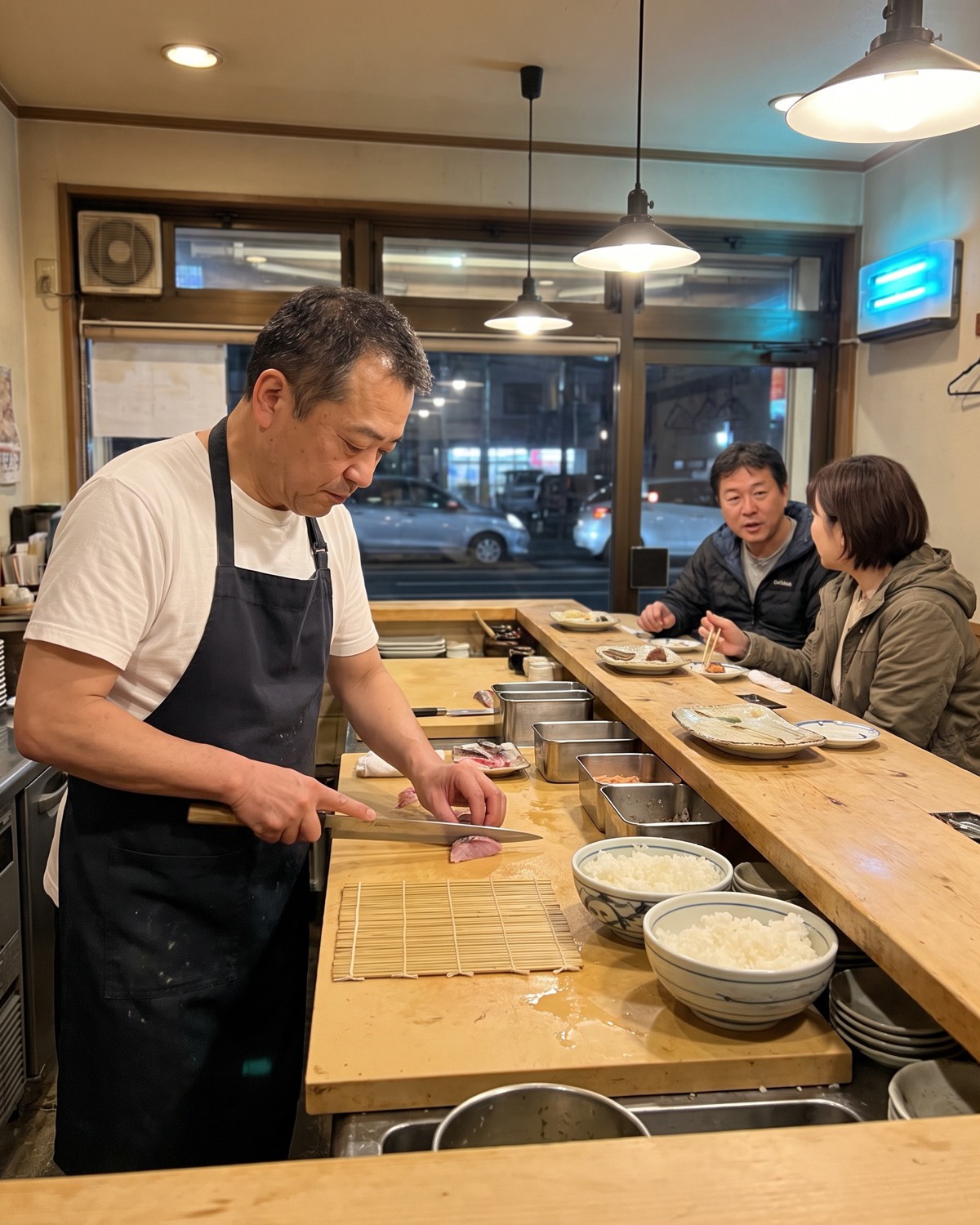
A sushi chef slices fish behind a light wood sushi counter

Japanese Nature Words

These poetic Japanese terms connect your dining experience directly to the beauty of the natural world.

  • Umi

    Japanese: sea

    A clean two-syllable name that feels fresh and directly tied to ocean dining.

  • Sora

    Japanese: sky

    Short and modern, perfect for an airy dining room with open seating.

  • Kaze

    Japanese: wind

    Conveys lightness and fluid style for a breezy modern sushi lounge.

  • Yama

    Japanese: mountain

    A strong, grounded name ideal for a cozy neighborhood spot.

  • Yuki

    Japanese: snow

    Simple and crisp, suggesting pure ingredients and refined taste.

  • Tsuki

    Japanese: moon

    Adds a calm lunar atmosphere perfect for late night dining.

  • Matsu

    Japanese: pine tree

    Symbolizes endurance and quality, fitting for a classic Japanese kitchen.

  • Kumo

    Japanese: cloud

    Light and easy to remember, great for an casual Asian kitchen.

  • Nami

    Japanese: ocean wave

    Brings the movement of ocean waves straight to a seafood bar.

  • Mori

    Japanese: forest

    A peaceful name suited for an intimate space with organic design.

  • Kaen

    Japanese: flame

    Strong choice for a robata grill focusing on open fire cooking.

  • Mizu

    Japanese: water

    Clean and fluid, highlighting pure water and delicate preparation.

Sushi Bar and Counter Names

Focus on the craft, cypress counters, and intimate dining experience of traditional sushi service.

  • The Hinoki Counter

    References the sacred Japanese cypress wood used in authentic high-end sushi bars.

  • Edomae Table

    Highlights traditional Tokyo-style sushi techniques and aged fish preparations.

  • Itamae House

    Puts the focus squarely on the mastery of the head chef.

  • Nori & Nigiri

    A rhythmic name that spells out core menu elements instantly.

  • Shari & Blade

    Pairs seasoned sushi rice with the precise knife skills of the chef.

  • Toro & Timber

    Blends premium ingredients with warm, minimalist wooden interior design.

  • Wasabi Leaf Sushi

    Suggests fresh garden grated root and vibrant seafood dishes.

  • Ocean Edge Sushi

    Brings a seaside feeling to fresh coastal catches served daily.

  • Bamboo Mat Sushi

    Focuses on handcrafted rolls made right in front of the guest.

  • Ginza Roll Bar

    Evokes upscale Tokyo nightlife and quick, high-quality dining.

  • The Rice & Blade

    Clean, focused phrasing that speaks to basic culinary fundamentals.

  • Shoyu Table

    Warm and inviting, centered around essential Japanese seasonings.

  • Soy & Cedar

    Combines savory fermented flavors with natural aromatic woodwork.

Want names built around your own story? Tell the free AI name generator your cuisine, vibe and neighborhood, and get fresh ideas in seconds.

Try the name generator

Ramen and Izakaya Names

Energetic names designed for casual pub gathering, charcoal skewers, and steaming noodle bowls.

  • Yatai Noodle House

    Japanese: yatai is a small street food stall

    Nods to historic mobile food stalls found across Japanese cities.

  • Akachochin

    Japanese: red paper lantern, the classic sign of a casual pub

    Brings to mind glowing red paper lanterns outside vibrant neighborhood pubs.

  • Robata & Sake

    Clear combination of fireside skewer grilling and classic rice spirits.

  • Izakaya Minka

    Japanese: a pub in a traditional farmhouse

    Suggests a rustic house setting for cozy group drinks and snacks.

  • Yakitori Corner

    Direct and approachable, telling guests exactly what street food to expect.

  • Kanpai Social

    Japanese: kanpai means cheers

    Built around Japanese toasts and lively group celebration.

  • Broth & Timber

    Balances slow-simmered rich soups with rustic wood dining spaces.

  • Steam & Skewer

    Captures the sensory heat of rich ramen and grilled charcoal bites.

  • Noodle & Charcoal

    Simple pairing of hot noodle bowls and open fire cooking.

  • Chochin Table

    Japanese: paper lantern

    Warm atmosphere inspired by glowing street tavern lights.

  • Midnight Izakaya

    Perfect for late night bites, draft beer, and casual social gathering.

  • The Sake Cask

    Highlights traditional fermented rice drinks and rich pub food.

  • Golden Broth House

    Focuses on deep flavor and rich tonkotsu or dashi soups.

Japanese Aesthetic Words

Express traditional philosophical concepts that reflect care, balance, and fine hospitality.

  • Hikari

    Japanese: light

    Bright and welcoming name suited for a well-lit modern space.

  • Nagomi

    Japanese: calm harmony

    Sets an expectation of relaxed, comfortable, and harmonious dining.

  • Shibui

    Japanese: subtle elegance

    Appeals to diners seeking understated sophistication and quiet quality.

  • Enso

    Japanese: zen circle

    Minimalist single word that looks great on modern signage.

  • Kizuna

    Japanese: deep connection

    Emphasizes community bonds and shared meals around the table.

  • Kokoro

    Japanese: heart and spirit

    Signals food made with heart, dedication, and true passion.

  • Komorebi

    Japanese: sunlight through trees

    Poetic concept ideal for a garden dining room with soft light.

  • Takumi

    Japanese: artisan

    Highlights master craftsmanship in every cut of fresh fish.

  • Homura

    Japanese: flame

    Energetic word perfect for open flame sear stations or wok cooking.

  • Wa Dining

    Japanese: wa means harmony

    Short and meaningful, celebrating Japanese harmony and taste.

  • Wabi

    Japanese: rustic beauty

    Celebrates natural textures, handmade ceramics, and authentic simplicity.

  • Zenmai

    Japanese: fern shoot

    Fresh and natural feeling, suggesting wild mountain ingredients.

Modern One-Word Japanese Concepts

Sleek, minimalist culinary terms that make strong, memorable brand names.

  • Dashi

    Japanese: savory cooking stock

    Refers to the fundamental savory broth that powers Japanese cuisine.

  • Mirin

    Japanese: sweet rice wine

    Sweet and smooth name taken from essential kitchen ingredients.

  • Ponzu

    Japanese: citrus soy sauce

    Bright and tangy single word that feels fresh and zesty.

  • Binchotan

    Japanese: dense white charcoal prized for grilling

    High-end reference for high heat oak charcoal grilling.

  • Tatami

    Japanese: woven rush mat

    Evokes traditional floor seating and authentic Japanese comfort.

  • Sumi

    Japanese: charcoal or ink

    Minimalist name evoking dark ink and natural wood charcoal.

  • Shiso

    Japanese: perilla leaf

    Herbal and fresh, named after the aromatic Japanese mint leaf.

  • Tare

    Japanese: dipping glaze

    Refers to rich, savory dipping sauces glazed over grilled meats.

  • Agari

    Japanese: sushi counter green tea

    Insider term from traditional sushi counters for hot green tea.

  • Sudachi

    Japanese: green citrus fruit

    Citrus name bringing bright acid flavors to mind.

  • Yuzu

    Japanese: aromatic citrus fruit

    Popular citrus flavor that makes a sharp, catchy brand.

  • Kombu

    Japanese: edible kelp

    Deep sea kelp ingredient essential for rich umami flavor.

  • Gari

    Japanese: pickled ginger

    Crisp and palate cleansing, named after pickled sushi ginger.
Playful English Sushi Names

Fun, accessible names in English that add lighthearted humor to your neighborhood roll spot.

  • Roll With It

    Casual and friendly pun that puts customers at ease instantly.

  • Soy Mates

    Charming concept built around sharing rolls with good friends.

  • Holy Rice

    Playful reaction to perfectly seasoned sushi rice and fresh toppings.

  • Wasabi Rush

    Exciting name promising bold, spicy, and unforgettable flavors.

  • Rice To Meet You

    A fun greeting that makes a great impression on first-time visitors.

  • Fish & Board

    Focuses on fresh sashimi sliced and served on clean wooden boards.

  • Chopstick Club

    Welcoming community atmosphere for local sushi fans.

  • The Sea Roll

    Direct and memorable name ideal for casual takeout spots.

  • Sake It To Me

    Lively pun perfect for a casual sushi and cocktail bar.

  • Rolling Tide Sushi

    Combines natural ocean movement with hand-rolled sushi crafts.

  • Fin & Flavor

    Short alliteration highlighting fresh fish and chef seasonings.

  • Ocean & Grain

    Honors the essential balance between wild fish and cultured rice.

  • Slice of Sea

    Clean image focused on high-grade sashimi cuts.

Naming tips

How to pick a sushi restaurant name that works

Check English Pronunciation for Japanese Words

If you pick a real Japanese word, test how native English speakers pronounce it out loud. Choose words with simple vowel sounds so guests can easily say the name when answering the phone or giving directions.

Verify Accuracy of Meaning

Always cross check Japanese word translations with native speakers or reliable references. Misusing a word can confuse guests and diminish your restaurant's credibility among authentic Japanese food lovers.

Test Visual Impact on Chopstick Wrappers and Signage

Japanese restaurant branding often includes vertical signage, window vinyl, or small chopstick sleeves. Make sure your chosen name looks balanced when stacked vertically or printed in a compact horizontal space.

Differentiate From Nearby Competitors

Check local maps for nearby venues using common terms like Tokyo, Fuji, or Sakura. Choosing a unique aesthetic or ingredient name will help your restaurant stand out on Google Maps and food delivery apps.

Before you pick

Check these before you print the sign

None of the names on this page has been checked for trademarks, domains or social handles. Do these first.

  1. 1

    Search the USPTO trademark database

    Search the exact name and close spellings in the USPTO Trademark Search. A registered mark for restaurant or food services anywhere in the US can block you, even if nobody near you uses it.

  2. 2

    Check your state business registry

    Look the name up with your Secretary of State (or your state’s business filing office) and your county’s assumed-name (DBA) records.

  3. 3

    Look for Google Business Profile conflicts

    Search the name on Google Maps in your city and nearby towns. A similar name close by will split your reviews and confuse people searching for you.

  4. 4

    Check the domain and social handles

    See if the .com (or a clean variation) is free, and whether the Instagram, TikTok and Facebook handles are open. Matching handles make you easier to tag and find.

  5. 5

    Say it out loud on the phone

    Answer an imaginary call: “Thanks for calling ___, how can I help?” Then spell it for a friend once. If either feels clumsy, keep looking.

  6. 6

    Check Kanji and Cultural Nuance

    If you plan to display Japanese kanji characters on your sign or logo, confirm that the specific characters match your intended meaning. A single word can have multiple character spellings with completely different meanings.

Start with the USPTO Trademark Search. This page is not legal advice.

Questions about naming a sushi restaurant

Should I use a real Japanese word or an English name for my sushi bar?

It depends on your target audience and concept. Real Japanese words lend authenticity and grace to traditional omakase or high-end dining. English names or clever puns work great for fast casual roll spots and neighborhood takeout.

Is it okay to use terms like Izakaya or Omakase in my name?

Yes, using descriptive category terms helps diners know what style of service to expect. Just ensure your actual menu matches the term, such as serving pub snacks for an izakaya or chef choice dining for omakase.

What makes a Japanese restaurant name easy to remember?

Short names with two or three syllables are usually easiest to remember and share. Words with simple, clear phonetic sounds like Umi or Sora tend to stick in people's minds far better than long, complex phrases.

How do I check if a sushi restaurant name is already taken?

Search the USPTO Trademark Search for the name and close spellings, check your state business registry and county DBA records, search Google Maps nearby, and look up the domain and social handles. For certainty, ask a trademark attorney before you pay for signage.

Are these sushi restaurant name ideas free to use?

They are free ideas to start from, but we have not checked any of them for trademarks, registrations or domains, and some may already be in use somewhere. Treat each one as a starting point and run the checks above before you commit.

Got the name? Get it online.

Menuline builds your website and commission-free pickup ordering under your new name. $1/month for your first 3 months, then $29/month.