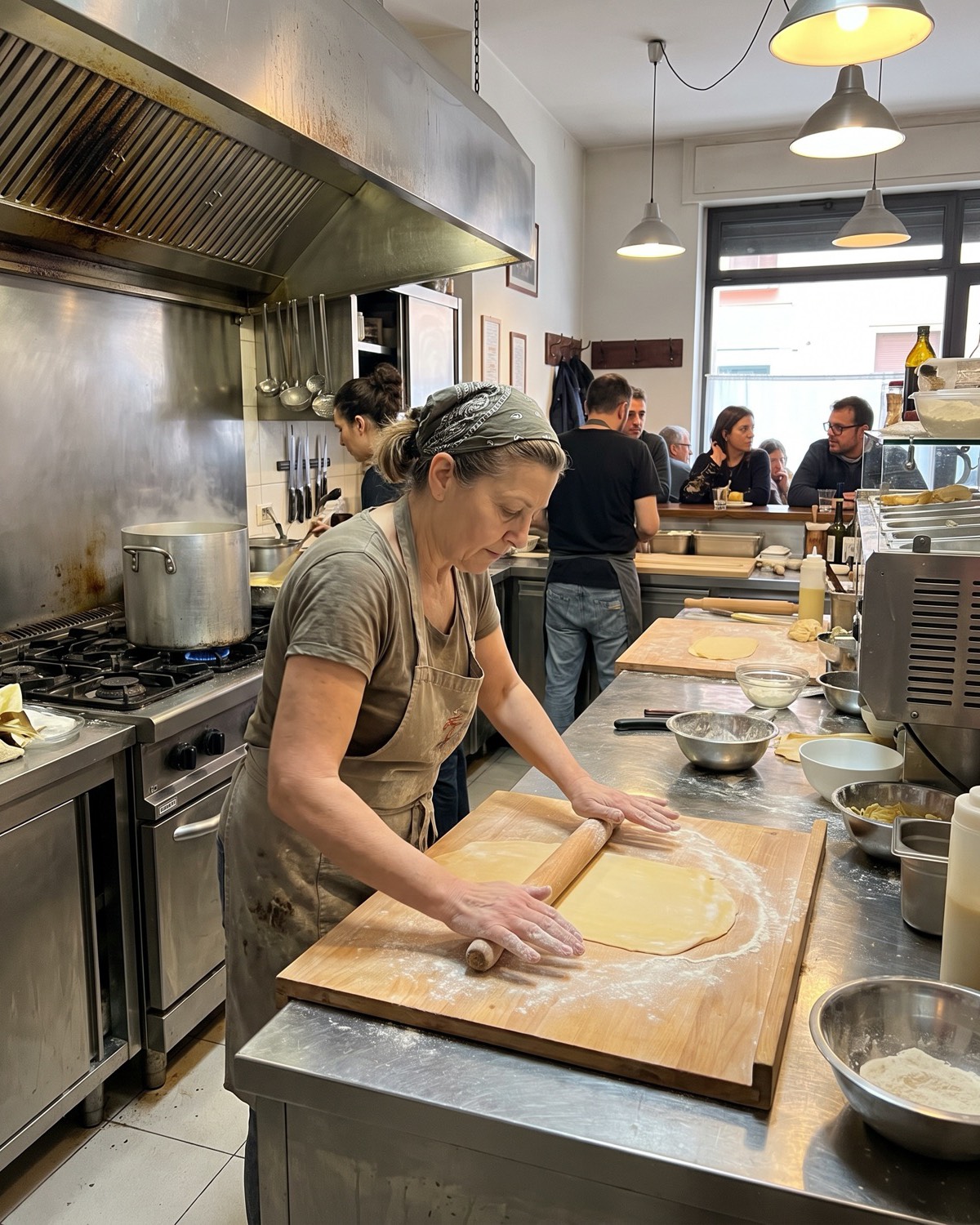
Names tied to famous culinary regions across the Italian peninsula.
Tuscan Stone Table
Conveys rustic, wood-fired meals, olive oil, and hearty Florentine steaks.
Via Roma Trattoria
Captures the energetic spirit and famous pasta dishes of the capital city.
Sicilian Sun Kitchen
Highlights bright, Mediterranean flavors like citrus, capers, and fresh seafood.
Riviera Coastal Italian
Evokes fresh Ligurian herbs, pesto, and relaxed seaside dining.
Veneto Wine & Table
Pairs northern Italian culinary tradition with celebrated sparkling and red wines.
The Florentine Hearth
Focuses on rich Tuscan traditions, wood fires, and robust regional dishes.
Piedmont Roast & Vine
Suggests luxurious northern comfort food, truffles, and world-class wines.
Lombard Street Osteria
Blends northern Italian culinary flair with a modern city street address.
Alma Amalfi
Evokes the dramatic southern coastline, lemons, and light seafood pasta.
Siena Hearth Dining
Reflects old-world Tuscan charm and traditional hearth-cooked meals.
Via Milano Bistro
Brings modern, fashionable northern Italian sophistication to your dining room.
Umbrian Harvest Table
Celebrates earthy ingredients, wild mushrooms, and heart-healthy olive oils.
Pasta and Ingredient Names
Appealing titles built around classic ingredients, herbs, and pasta shapes.
Oliva & Grain
Highlights fundamental Italian staples of extra virgin olive oil and artisan flour.
Rigatoni Room
A fun, memorable choice for a kitchen specialized in house-made tubular pasta.
Grano & Sage
Pairs high-quality wheat with aromatic herbs central to Italian cookery.
Salsa d'Oro
Italian: golden sauce
Celebrates rich, golden tomato and garlic sauces cooked to perfection.
Tagliatelle House
Puts fresh, ribbon-cut handmade pasta front and center on the marquee.
Pratolina Italian Kitchen
Italian: the common daisy
Named after wild mountain herbs, perfect for fresh, seasonal cooking.
Farina & Flame
Blends basic flourcraft with intense wood-fired cooking methods.
Semolina Social
A modern, welcoming name highlighting the key wheat used in pasta crafting.
Rosmarino Kitchen
Italian: rosemary
Evokes aromatic roasted meats, focaccia, and fresh garden herbs.
Gnocco & Co.
A playful focus on soft, pillowy potato dumplings and hearty ragù.
Agresto Table
Italian: sour grape condiment
References historic Italian verjuice flavorings and fresh garden produce.
Panna & Pepper
Conveys creamy, rich sauces balanced with sharp cracked black pepper.
Brodo & Bread
Focuses on ultimate comforting Italian essentials like savory broths and warm loaves.
Modern and One-Word Names
Sleek, punchy Italian terms for contemporary restaurants and fast-casual concepts.
Tavola
Italian: table
Direct and meaningful, putting the communal dining table at the center.
Gusto
Italian: taste or zest
A vibrant, short name communicating enthusiasm and bold Italian flavor.
Insieme
Italian: together
Emphasizes gathering together over great food and fine regional wine.
Forno
Italian: oven
Bold and simple, signaling a focus on baked pasta, bread, and roasting.
Pasto
Italian: meal
Clean, contemporary branding for a streamlined modern pasta bar.
Stanza
Italian: room
Evokes a stylish, welcoming space for contemporary Italian hospitality.
Biscotto
Italian: biscuit
Charming and crisp, suitable for a casual cafe or espresso and snack bar.
Vetro
Italian: glass
Refined and clear, fitting for a minimalist restaurant with open design.
Ceppo
Italian: log or block
Grounded and rustic, referencing traditional wooden chopping blocks.
Wine Bar and Enoteca
Sophisticated names geared toward wine-forward concepts, aperitivo, and small plates.
Enoteca della Vigna
Italian: wine bar of the vineyard
Classically stylish, placing vineyard-selected wines at the heart of the venue.
Aperitivo Bar & Co.
Sets an inviting stage for pre-dinner cocktails, spritzes, and cured meats.
Vino & Vaso
Italian: wine and vessel
Focuses on pouring exceptional vintages alongside simple, elegant bites.
La Vite Wine Room
Italian: the vine
Refined and classic, honoring the grapevine and wine production traditions.
Enoteca Vico
Italian: alley wine shop
Evokes cozy, hidden alleyway wine shops found throughout old Italian cities.
Calice Social
Italian: goblet or wine glass
Centers on raised glasses, toast-worthy occasions, and friendly sharing.
Bar Salumi
Directly highlights cured meats, cheeses, and casual glass-in-hand dining.
Nebbiolo Nook
Focuses on famous Italian grape varieties in a warm, intimate setting.
Enoteca Selva
Italian: forest wine shop
Suggests wild, organic wines paired with earthy, seasonal menu items.
Tappo Wine Bar
Italian: cork or stopper
Short, memorable name celebrating the uncorking of great bottles.
Naming tips
How to pick a Italian restaurant name that works
Test Italian Pronunciation
Italian words are beautiful, but complex spellings can confuse local diners. Say the name aloud as if answering the phone or giving directions. If guests struggle to pronounce or spell it when searching Google Maps, pick a simpler term.
Match Name to Dining Format
Terms like Osteria, Trattoria, and Ristorante carry distinct historical meanings regarding formality and menu style. Ensure your choice reflects your actual service level, whether it is a quick-service pasta shop or formal white-cloth venue.
Check Packaging and Signboard Visibility
Picture your business name stamped onto takeout pasta boxes, wine bags, and exterior signage. Short, bold titles stand out better on delivery packaging and digital maps than long, intricate phrases.
Reflect Your Culinary Focus
If you specialize in wood-fired pizza, hand-rolled pasta, or coastal seafood, let your name reflect that specialty. Including words like Forno, Farina, or Coastal instantly sets guest expectations.
Consider Local Digital Search
Pairing a unique Italian word with your city name or neighborhood can help local search visibility. Ensure the name remains distinct so you do not get confused with other regional Italian eateries.
Before you pick
Check these before you print the sign
None of the names on this page has been checked for trademarks, domains or social handles. Do these first.
1
Search the USPTO trademark database
Search the exact name and close spellings in the USPTO Trademark Search. A registered mark for restaurant or food services anywhere in the US can block you, even if nobody near you uses it.
2
Check your state business registry
Look the name up with your Secretary of State (or your state’s business filing office) and your county’s assumed-name (DBA) records.
3
Look for Google Business Profile conflicts
Search the name on Google Maps in your city and nearby towns. A similar name close by will split your reviews and confuse people searching for you.
4
Check the domain and social handles
See if the .com (or a clean variation) is free, and whether the Instagram, TikTok and Facebook handles are open. Matching handles make you easier to tag and find.
5
Say it out loud on the phone
Answer an imaginary call: “Thanks for calling ___, how can I help?” Then spell it for a friend once. If either feels clumsy, keep looking.
6
Italian Term Accuracy Check
Double-check the grammatical gender and spelling of any Italian phrases you choose. Ensure masculine and feminine adjectives match their nouns correctly so your brand reads authentically to native speakers.
What is the difference between a Trattoria, Osteria, and Ristorante?
Historically, an osteria focused on wine with simple snacks, a trattoria offered informal, home-style regional meals, and a ristorante provided full formal dining. Today, these terms are often used flexibly, but using trattoria or osteria still signals a warm, casual atmosphere.
Should I use Italian words or English words for my restaurant name?
Both options work well depending on your audience. Authentic Italian words convey tradition and romance, while English names can clearly highlight your specialty. Choose what best matches your menu style and target neighborhood.
Are family names good for Italian restaurants?
Yes, using family names or references like Nonna or Casa builds immediate trust and warmth. It emphasizes heritage and personal pride in the recipes being served.
How do I check if a Italian restaurant name is already taken?
Search the USPTO Trademark Search for the name and close spellings, check your state business registry and county DBA records, search Google Maps nearby, and look up the domain and social handles. For certainty, ask a trademark attorney before you pay for signage.
Are these Italian restaurant name ideas free to use?
They are free ideas to start from, but we have not checked any of them for trademarks, registrations or domains, and some may already be in use somewhere. Treat each one as a starting point and run the checks above before you commit.
Got the name? Get it online.
Menuline builds your website and commission-free pickup ordering under your new name. $1/month for your first 3 months, then $29/month.